


From tariffs to refrigeration: what a thorough audit uncovers in a hospitality business
Running a bar is energy intensive by nature. Refrigeration that never switches off. Heating and cooling a venue that trades until 1, 2, sometimes 3am. Lighting that has to work hard enough to set a mood without blowing the budget. For most small hospitality businesses, energy is simply a cost of doing business, not something that gets much strategic attention beyond the occasional wince at the quarterly bill.
That’s exactly where Antique Bar in Elsternwick found themselves when they took up Glen Eira Council’s offer of a fully funded, independent energy audit through Green Moves. Three years into running a family-owned lounge and event space on Glen Huntly Road, with ten staff, an atmospheric venue full of vintage charm, and the usual hospitality juggle — energy costs were being managed as best they could, but without a clear picture of where the real opportunities were.
What the audit found changed that picture considerably.
Why hospitality businesses are worth looking at closely
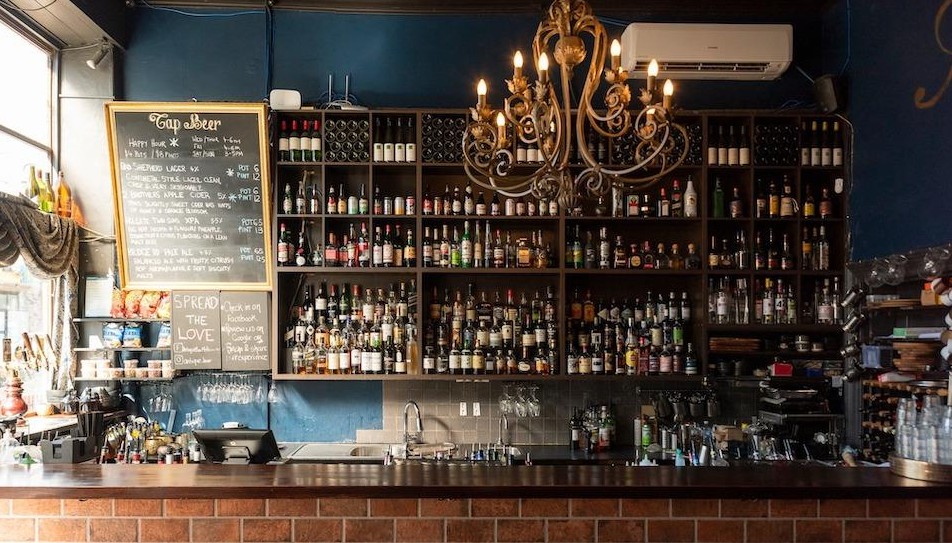
Venues like Antique Bar face a specific energy challenge: the equipment that keeps the business running (cold rooms, bar refrigeration, ice machines) operates continuously, regardless of whether the doors are open. At Antique Bar, refrigeration alone accounts for nearly half of total energy use across the site. That’s a significant load, and it’s sensitive to small inefficiencies. A seal that’s not sealing properly. A fridge running in a space that gets too hot. An old unit that’s working twice as hard as it should.
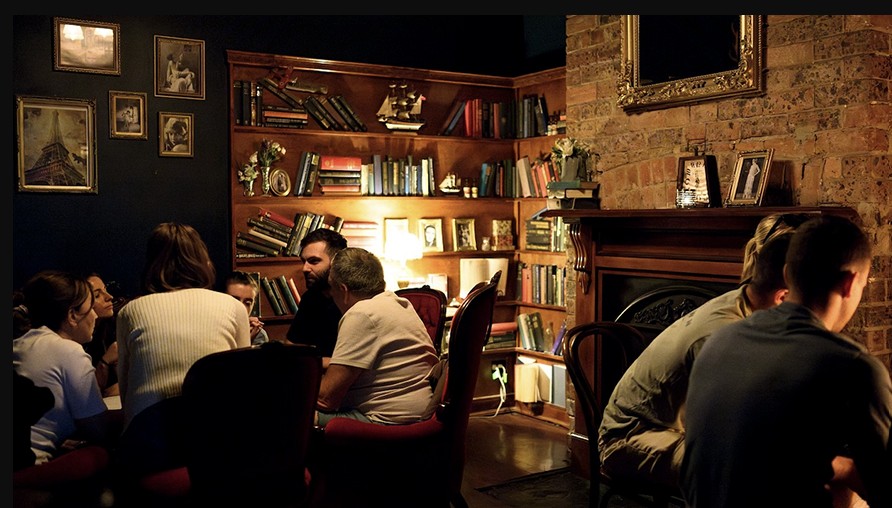
Add to that a heritage building – double brick, single-glazed timber and steel windows, a tin roof, and an open chimney – and you have a venue where heating and cooling are fighting against the structure itself. The business has efficient reverse-cycle units inside and fans to help, but the building shell was undermining their effectiveness.
None of this is unusual for a venue of this age and type. But it does mean there’s often more to find than owners expect.
What the audit covered
Green Moves conducted a full on-site energy assessment – a systematic, high-level review of everything drawing power or gas at the venue. That included:
- electricity and gas tariffs
- interval metering data
- all refrigeration equipment
- heating and cooling systems
- hot water, lighting
- the building shell
- opportunities for solar
The business received a detailed written report with costed recommendations and clear guidance on what to prioritise. Co-owner Boutaina Richardson found the whole energy audit process and accompanying report to be very easy and helpful.
The audit identified potential energy savings of around 38% on annual energy bills – a significant figure, and one that includes several actions with zero upfront cost.
Where the Savings are
The tariff opportunity – the biggest win, and the easiest
The single largest saving identified in the audit had nothing to do with equipment or building works. It was the electricity tariff. The existing rates were above the most competitive options currently available in the market. Switching providers could save the business thousands of dollars per year – a change that costs nothing, takes a phone call, and delivers immediate, ongoing results.
The gas tariff told a similar story. Simply moving to a better plan with the existing provider, or switching to a more competitive one, offered meaningful additional savings with no capital required.
It’s a finding that comes up repeatedly in business energy audits: many businesses are paying more than they need to, simply because rates have shifted and no one has time to check them.
The audit recommends reviewing electricity and gas tariffs twice a year, in February and August, to make sure you’re still on the most competitive rate available. The federal government’s Energy Made Easy comparison tool[1] (energymadeeasy.gov.au) makes this straightforward to do.

Refrigeration – the high-impact, often overlooked area
With refrigeration accounting for nearly half of Antique Bar’s total energy use, the audit paid close attention to every unit on site. The findings included:
- cold room door seals that weren’t sealing properly
- bar refrigeration units with worn seals across multiple doors
- ice machines with ineffective seals
- refrigeration equipment drawing unnecessary power
- a freezer operating in suboptimal conditions that was significantly affecting its efficiency and lifespan
The audit identified a number of refrigeration opportunities across the venue – including cold room and bar fridge seal issues, and equipment operating in conditions that were affecting efficiency. Several of the refrigeration fixes are low or no cost; others involve modest investment with a short payback period.
Building shell – the longer game
The audit also identified a range of building shell improvements that would reduce heating and cooling load over time:
- draughtproofing identified areas
- insulating the roof if the opportunity arises
These are less urgent than the tariff and refrigeration actions but worth planning for, particularly given the venue’s long-running lease.
Their long lease tenure also makes the case for solar more viable than it might be for a shorter-term tenancy. The audit noted that rooftop solar would be beneficial given the on-site refrigeration load, with a typical business return on investment of four to six years — and recommended pursuing it if landlord agreement can be obtained.
Lighting
Lighting across the venue is mostly LED, which is the right direction for any venue wanting to reduce their energy use. The main opportunity identified was replacing the few remaining halogen downlights on the upper floor – less efficient and worth upgrading to warm-white dimmable LED equivalents to maintain the venue’s character while reducing energy use.
What a business energy audit can reveal
When co-owner of Antique Bar, Boutaina, learned about the cost-savings findings and recommendations in the report, she was surprised. That reaction is one we hear often. Most business owners have a general sense that energy costs could probably be better. But the scale of the opportunity and the simplicity of some of the fixes tend to come as a genuine surprise. When a significant portion of the savings available to you requires no capital outlay at all, it reframes the conversation.
Action already taken
Antique Bar didn’t wait long to act on one of the key findings, quickly switching energy providers.
This is one of those actions that’s easy to defer indefinitely. It feels like a hassle, and the savings aren’t visible until the next bill. But it’s among the highest-return actions available to some businesses, and Antique Bar moved on it quickly. The ongoing savings begin immediately and compound over time, particularly as energy rates continue to rise.
What’s next
“We are looking at the other opportunities and will look at our energy again in the coming months,” says Boutaina.
That ongoing attention is exactly the right response to an energy audit. The report isn’t a one-time fix – it’s a prioritised list of actions to work through, and a baseline to measure progress against. For Antique Bar, the tariff switch is done. The refrigeration improvements, lighting upgrades, and building shell work give them a clear roadmap for what comes next.

Is a business energy audit right for your business?
Green Moves conducts independent energy audits for businesses across Victoria – both privately and through council-funded programs with several local councils. A business energy audit covers everything from tariffs and equipment to building shell and renewable energy opportunities. You receive a detailed written report with practical, costed recommendations, and a clear picture of where your money is going and what you can do about it.
For small businesses especially, the combination of no-cost tariff savings and targeted equipment improvements can make a meaningful difference to operating costs without requiring significant capital investment.
Contact us to find out more or check with your local council whether a funded audit may be available to you.