

The energy audit that helped a 15-year-old Elsternwich health store see its bills in a whol new light
From tariffs to refrigeration: what a thorough audit uncovers in a busy retail

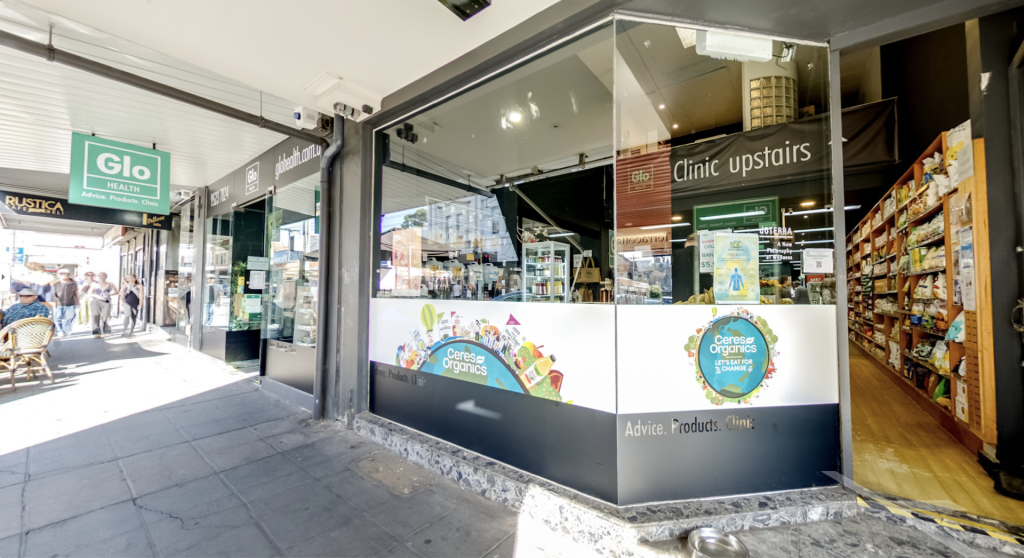
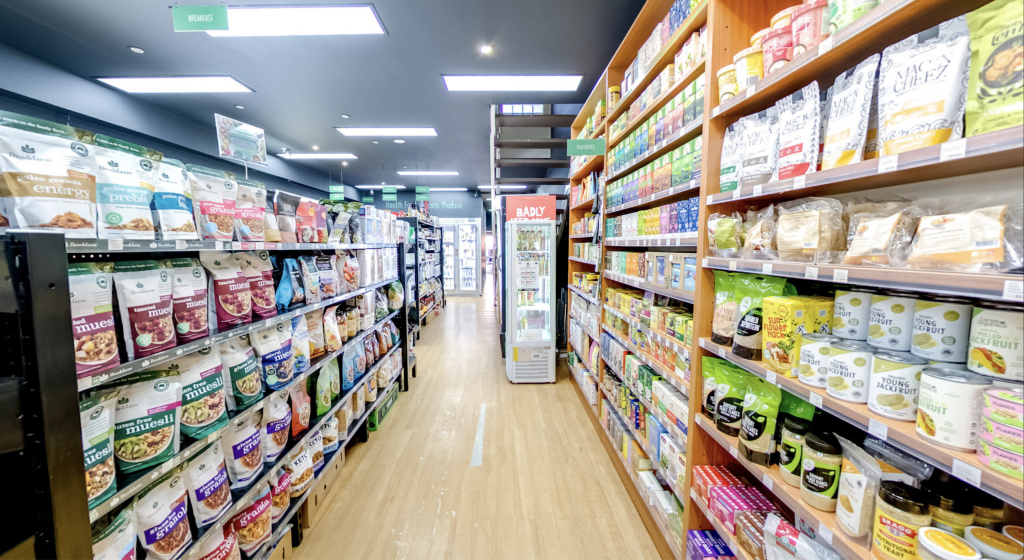
GloHealth isn’t your average small business. Founded by naturopath Adam Pincus, the health food, organic grocery, and wellness clinic on Glen Huntly Road in Elsternwick has been serving the local community for over 15 years. With 16 staff across a mix of roles, over 7,000 product lines, a wellness clinic upstairs, and refrigeration running across two titles operating as a single site, it’s the kind of business where energy use can be complicated and significant.
Before this assessment, Adam said that energy costs had always been on the radar as a significant business expense, but the council-funded audit offered something a standard rate review couldn’t; a full independent picture of the entire site.
What the audit uncovered across refrigeration, tariffs, gas infrastructure, building shell, and solar potential gave the business a far more detailed and actionable picture.
A site with a lot going on
The Glo Health site spans two adjoining titles (358 and 360 Glen Huntly Road), each with its own electricity and gas meter. The ground floor houses the retail store and the upper floor contains consulting rooms. While the daytime-only trading pattern has important implications for how energy is best managed across the site.
The audit reviewed everything:
- electricity and gas tariffs across both meters
- all refrigeration equipment (and there’s a lot of it)
- heating and cooling
- hot water
- lighting
- the building shell
- the potential for solar PV
The business received a detailed written report with costed recommendations and projected savings for each action. When asked how he found the energy audit process, Adam said,
“The energy audit was very easy to establish and valuable, with comprehensive feedback received.”
The headline finding: around 33% in potential savings
The audit identified potential energy savings of approximately 33% on annual energy bills through a combination of tariff changes, refrigeration improvements. gas infrastructure upgrades and building shell measures
If rooftop solar is added to the mix, the potential savings picture improves significantly further.
That’s a meaningful number for any business. For a site with the energy profile of Glo Health – high refrigeration load, older gas infrastructure, and a heritage building shell – it represents a real opportunity to reduce a significant operating cost without compromising the business.
Refrigeration: the biggest opportunity
Refrigeration accounts for around 61% of Glo Health’s total daily energy use. It’s by far the dominant load on the site, and it’s where the audit found the most significant opportunities.
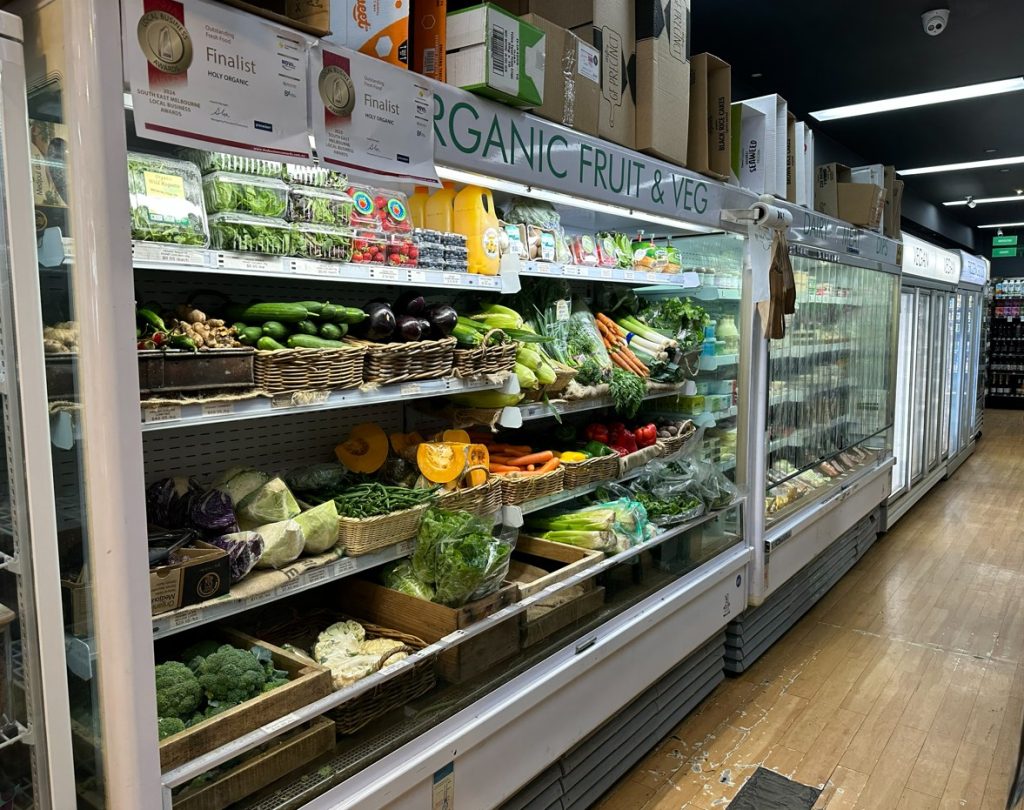
The store operates a substantial number of refrigeration units including two cold rooms, multiple glass-door fridges and freezers for drinks, frozen goods, and wellness products, and two large open-display units – one for organic fruit and vegetables, one for dairy, meat, and dips. It’s the open-display units that drew particular attention.
The open fridge problem
Open refrigeration display units (the kind without doors or curtains) are among the most energy-intensive pieces of equipment in any retail environment. They work constantly to maintain temperature in open air, fighting against the ambient warmth of the store. Compared to equivalent glass-door units, they can use up to five times more energy.
The audit identified the organic fruit and vegetable open display unit as the highest-priority replacement on the site. A new, energy-efficient door unit would use approximately half the energy of the existing one. The dairy, meat, and dips open unit was flagged as the second priority for replacement, for the same reasons.
When asked what surprised him in the audit report, Adam said, “The significant long-term savings on electric vs gas heating and also the replacement of the open fridges to door fridges.”
It’s a finding worth sitting with. The energy cost of running open display refrigeration is easy to underestimate when you’re focused on the product experience in store. But over a full year, the gap between open and door refrigeration is substantial. Over ten years, the compounding savings from upgrading make a compelling case for prioritising these replacements.
Cold rooms and other refrigeration
Beyond the open display units, the audit found both cold rooms had seal issues. These are lower-cost fixes with meaningful energy impact. Cold rooms that don’t seal properly work significantly harder to maintain temperature.
Other recommendations included planning for eventual replacement of the older, less efficient units in the store.
Tariffs: immediate savings, zero cost
Across both electricity meters, Glo Health was paying rates above what the current market offered. The audit compared existing tariffs against available alternatives and identified a better rate with a different provider across both meters – a saving that starts with the next bill and requires no capital outlay at all.
The same applied to gas. Both gas meters were with the same provider, and a better tariff was available again, with a simple provider change. Adam acted on both quickly: “We’ve now changed to new providers for gas and electricity with better rates.”
Energy rates change in January and July each year, and the audit recommends reviewing both electricity and gas tariffs in February and August to make sure you’re still on the best available deal. The federal government’s comparison tool is a straightforward way to check, and the Victorian Government’s is also worth using for Victorian businesses.
Gas to electric infrastructure
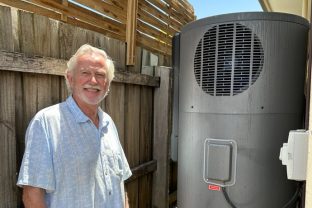
One of the more significant findings for Glo Health was the case for transitioning away from gas entirely. Both gas meters service only the hot water systems – and replacing these with efficient electric alternatives would eliminate the gas supply charges entirely. Supply charges account for a disproportionately large portion of the total gas bill relative to actual gas use.
The audit recommended replacing both units with efficient electric alternatives and disconnecting the gas meters from both sites. The saving comes not just from more efficient hot water heating, but from eliminating the ongoing gas supply charges altogether – a fixed cost that continues regardless of how much gas is actually used.
This kind of gas-to-electric transition is increasingly common in Victorian commercial sites, and Victorian Government rebates are available for eligible heat pump hot water systems through the which can help with the upfront cost.
Building shell and heating and cooling
The Glo Health building is a double brick heritage structure with single-glazed aluminium windows, skylights, and a number of identified draught points throughout the building. The upper floor in particular gets very hot in summer.
The audit recommendations here focus on practical, lower-cost actions:
- draughtproofing external doors and wall vents, and sealing the other draught points throughout the building, including the upper floor and back-of-house areas
- using ceiling fans in conjunction with reverse cycle units for maximum efficiency
The audit also flagged that positioning of some heating and cooling units is worth reviewing when units come up for replacement.
For a business where heating and cooling accounts for around 28% of daily energy use, getting these basics right compounds over time.
Solar: a strong case, decision pending
The store roof was recently replaced, meaning the structure is in good condition for solar installation, and the refrigeration-heavy energy profile of the site makes it a strong candidate for solar PV. The audit recommended installing as much solar as is viable on the main meter site.
For businesses in the Glen Eira area, the can help businesses access quality solar installation at competitive prices, along with government rebates and loans to assist with upfront costs. Adam is considering the solar option and the numbers make a compelling case.
The takeaway
When asked what the biggest takeaway was for Glo Health and if the energy audit was worthwhile, Adam says, “The comprehensiveness of the report and the practicality of a lot of the suggested solutions” made it very worthwhile. He also says he would absolutely recommend it to other local businesses and is keen to get onto implementing the recommendations in the report.
That combination, thoroughness and practicality, is what a good business energy audit should deliver. Not a report that sits in a drawer, but a prioritised, costed action list that a business can work through systematically.
For Glo Health, the tariff changes are already done. The refrigeration roadmap is clear. The gas transition is planned. Solar is under consideration. Fifteen years into business with 16 staff and over 7,000 product lines, they have a detailed, independent picture of their energy use and a realistic path to reducing it by around a third.

Get a business energy audit for your organisation
Green Moves conducts independent business energy audits across Victoria — both privately engaged and through council-funded programs with a number of local councils. Whether your business is a small single-site operation or a complex multi-meter site, a Green Moves audit covers everything: tariffs, refrigeration, heating and cooling, hot water, lighting, building shell, and renewable energy potential.
You receive a detailed written report with practical, Indicative costed recommendations and a clear picture of where your energy spend is going and what you can do about it.
Contact us to find out more or check with your local council whether a funded audit may be available to you.