


Rising energy bills: a quiet threat to small retailers
If you run a grocery store, bottle shop, or small retail business, chances are your electricity bill is one of your biggest overheads. With prices rising and margins under pressure, every wasted kilowatt-hour is money out the door. That’s exactly why Dendy Village Cellars and Grocer took action – and what they found could help your store too.
A tailored energy audit for a local grocer
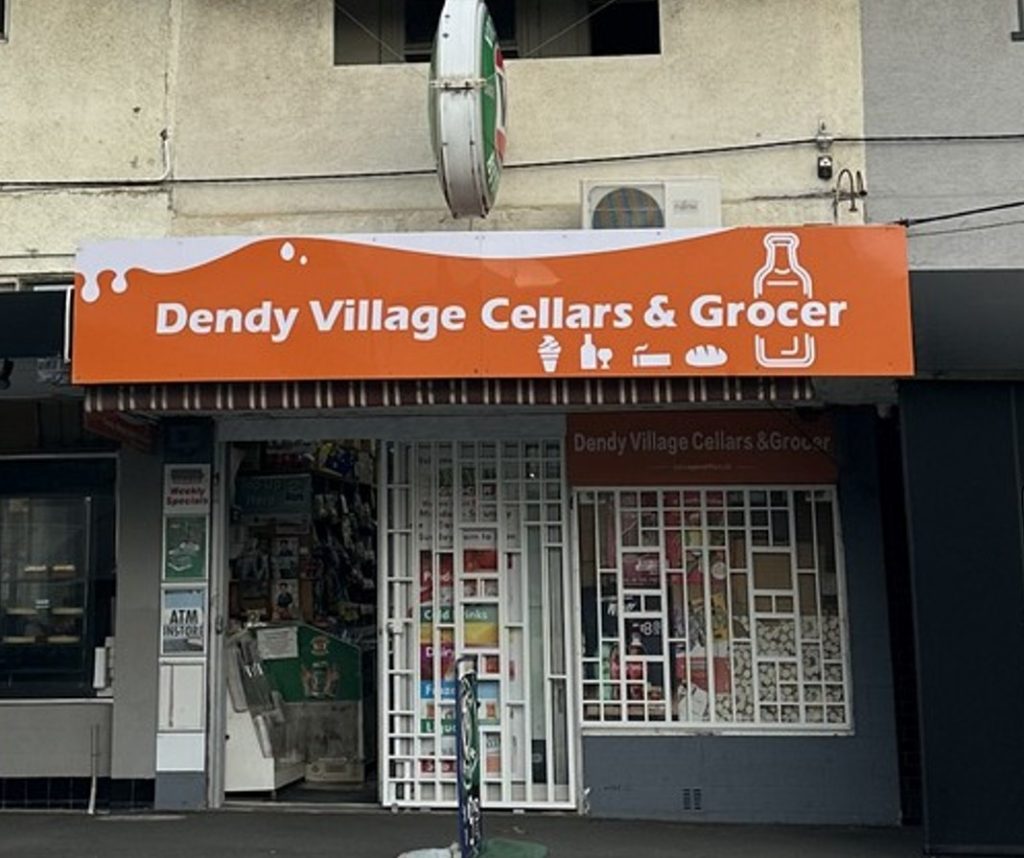
This Brighton-based grocery and bottle shop secured one of the limited Village Zero Energy Assessments funded by Bayside City Council. Delivered by Green Moves, the business energy assessment helped them uncover $3,200 in potential annual energy savings – with only $2,700 in upfront costs. Thats a return on investment of just 9 months!
The shop operates from an older brick building with outdated lighting, mixed-efficiency appliances, and heavy reliance on refrigeration. An energy audit identified these common culprits and offered cost-effective, practical changes.
Opportunities to cut energy costs fast
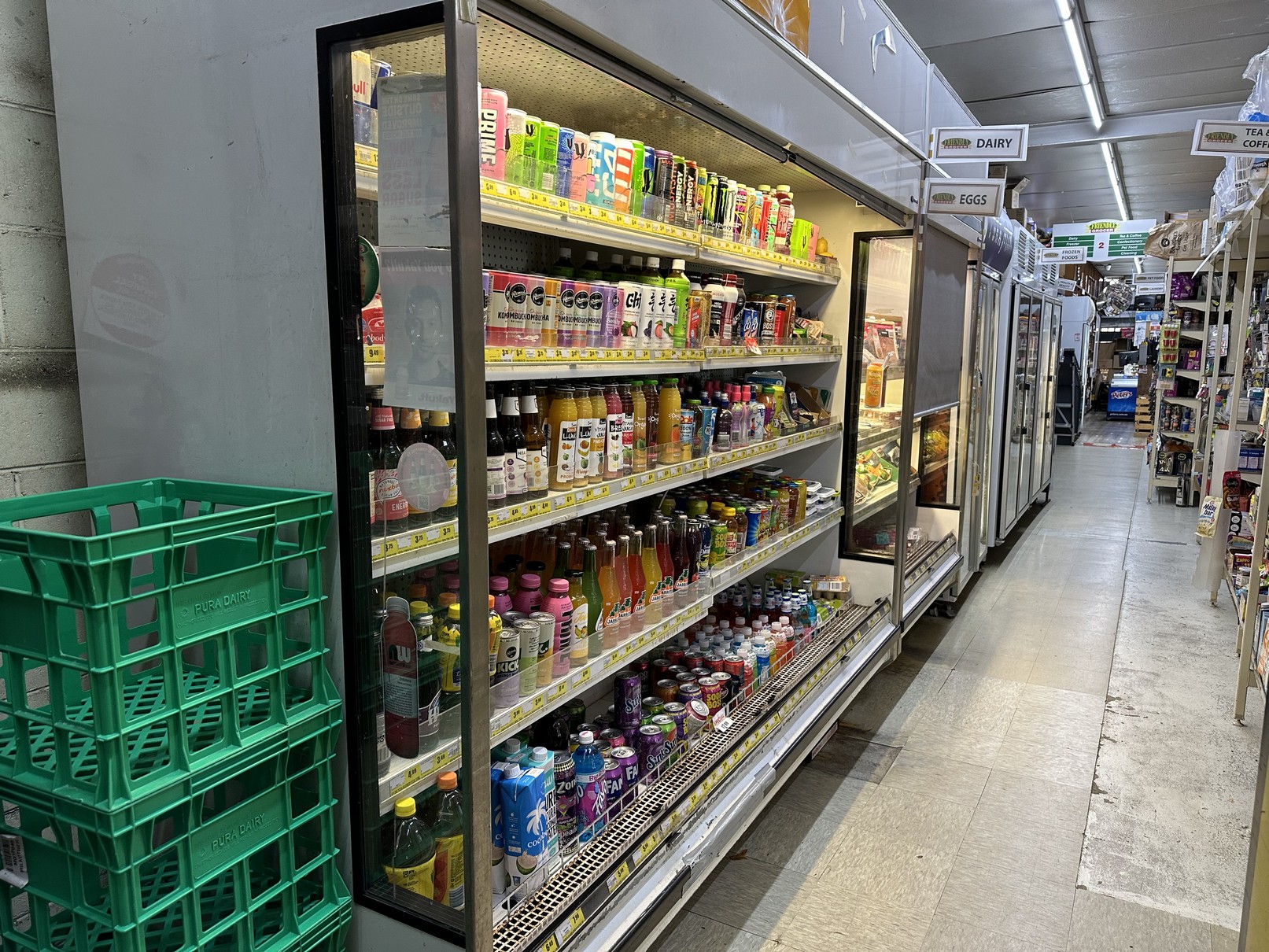
Refrigeration: the biggest energy drain
Refrigeration accounted for 85% of the store’s electricity use, and included a cold room, and multiple fridges and freezer compartments. Many fridges were open-fronted, constantly leaking cold air into the aisles.
The solution? Install clear plastic strip curtains over the front. These strips maintain visibility and access while helping contain cold air. Pairing them with night blinds after hours can boost efficiency even further.
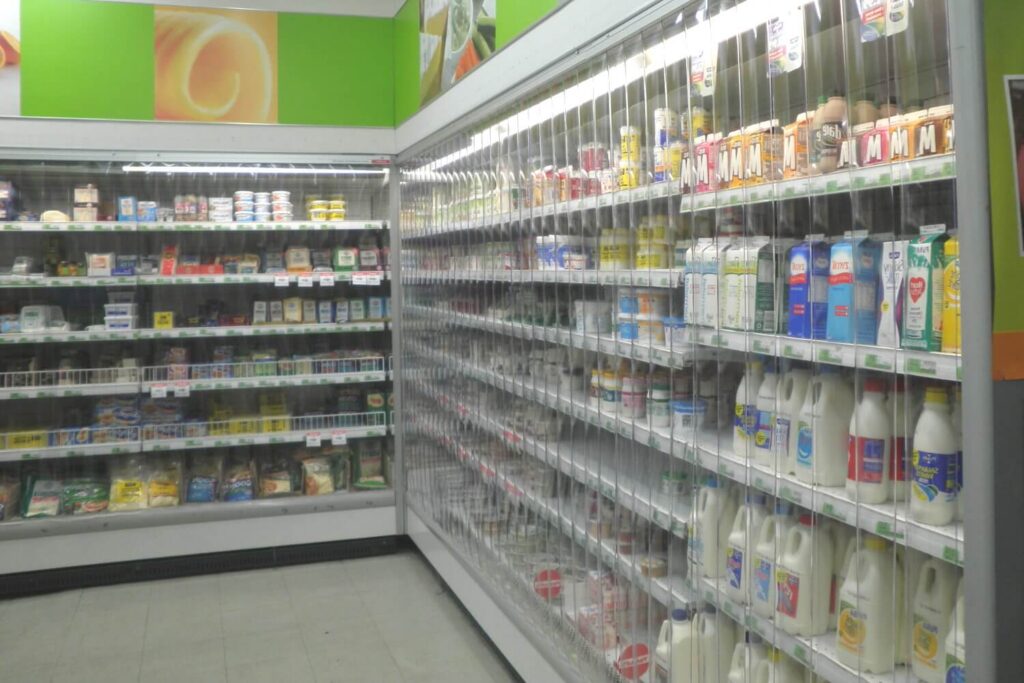
Servicing and seals make a big difference
Older beer fridges and freezers had worn door seals and hadn’t been serviced regularly. By cleaning seals and ensuring annual servicing, the store could cut refrigeration energy use by another 5% and prevent costly breakdowns.
Simple behavioural changes
Other low-cost improvements included closing entry doors when heating or cooling is on, using energy-efficient lighting where possible, and educating staff about energy-saving habits.
Cold room considerations
While not unique to every store, the grocer’s cold room also presented opportunities. Installing strip curtains at the door and cleaning the seals could reduce cooling loss by over 10% annually.
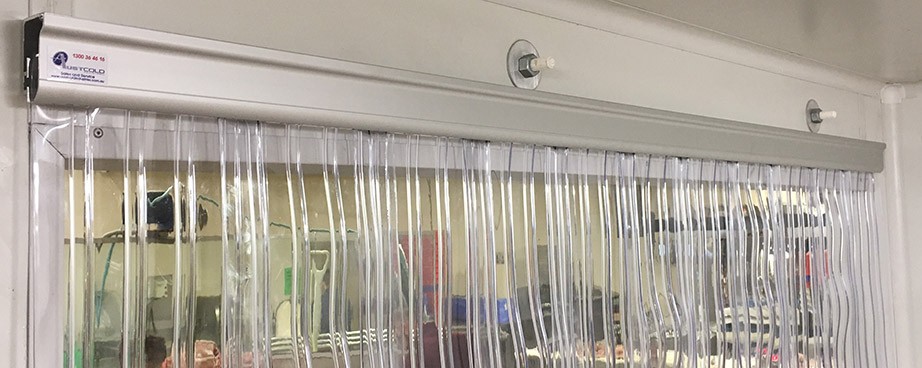
Clear plastic strips providing a barrier to cold room door cooling loss
Sustainable retail without big renovations
The combined changes – most under the business owner’s control even in a leased space – came with a payback period of just 8 months. While the improvements haven’t been implemented yet, the owner expressed clear intent to act on the findings as soon as possible.
Wider opportunities tailored to the space
While the audit focused on what the business owner could action within lease limitations, it also highlighted longer-term opportunities. These include solar installation and window upgrades, that could be explored with landlord support or if conditions change. These insights may also guide other small businesses in similar premises or lease situations.
Tarriff checks: a big win
While the grocer already had a great energy tariff, many businesses don’t realise how often rates change. We recommend checking your tariff twice a year – every February and August – using Victorian Energy Compare to stay on the best plan.
Future-focused upgrades
Some higher-cost upgrades, like replacing older refrigeration, upgrading the cold room compressor, or improving building lighting, may not be immediately feasible but can be planned for by the business owner and provides succession planning for key appliances. For the building owners, further options that would improve the buildings value and tenancy retention include installing rooftop solar, if the structure is suitable.
These recommendations show that even if you can’t act now, a good energy audit helps you plan smarter for the future.
Ready to take action?
Learn more about business energy assessments for retailers and how to make your store more energy efficient – without compromising on your customer experience.
Contact Green Moves to see how we can help.